
The strings on a violin are one of the most important factors affecting the overall tone and sound quality of your instrument. With the many types of violin strings available today, it’s important to understand the different materials and options to determine which strings are best suited for your instrument, playing style, and musical needs.

Image by Engin Akyurt from Pixabay
Common materials used in violin strings include gut, synthetic cores, and steel. Gut strings were the first type used and have a warm, mellow sound. Synthetic core strings are often most popular today for their durability, stability, and ability to hold pitch across different environments. Steel strings have a brighter, more projecting tone. Understanding the core material helps predict the overall sound and performance.
Types of Violin Strings
Gut Strings
Gut strings are made from sheep or cow intestines that are dried and twisted into strings. They produce a warm, mellow sound preferred by many violinists, especially for older classical music. However, gut strings are sensitive to changes in temperature and humidity, making them tricky for beginners. Top professional soloists often use high-quality gut strings.
Synthetic Core Strings
Synthetic core strings have a core of nylon, plastic, or composite filaments wrapped in metal. Dominant, Pirastro, and Thomastik-Infeld are popular brands. The synthetic core helps the strings remain stable and hold pitch across different environments while providing a warm tone. They are an excellent all-purpose string for most players.
Steel Core Strings
As the name suggests, steel core strings have a core of steel wrapped in another metal like aluminum or chrome. Popular brands are Super Sensitive and D’Addario Pro-Arte. The steel makes these strings very durable with little stretch. They project loudly with a bright, brilliant tone. Jazz and rock violinists often favor steel strings.
Specialty and Niche Strings
Some companies offer strings tailored for specific sounds, like a deeper G string or a brighter A string. Electric violin strings focus on magnetic responsiveness. There are also historically-inspired strings made with older methods. Testing different specialty strings can enhance a violin’s capabilities.
Historical and Vintage Strings
Enthusiasts of older music may use strings made with historical methods, like goat gut or wire wrapping techniques from the Baroque or Classical eras. While offering historical accuracy, these strings are less stable than modern materials. Vintage strings with known makers and ages can also be collectible.
Selecting the Right Strings
With all the options, focus first on strings that complement your violin and playing style. Talk to teachers or experienced violinists for recommendations. Be aware of your violin’s sound qualities and needs as some instruments benefit from brilliance while others need warmth. Try different strings in the same material or gauge to hone your preferences.
When learning how to choose violin strings, consider the strings used by violinists you wish to emulate. While experimentation with strings takes time and money, it can elevate your violin’s potential.
Conclusion
Understanding the materials, construction methods, and sound profiles of different violin string types allows an informed selection to match your instrument, technique, and musical style. Consult experienced players, experiment thoughtfully, and choose strings that enhance your violin’s inherent qualities. The right strings can bring out the best in both instrument and musician.
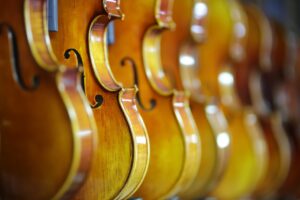
Image by HeungSoon from Pixabay
Please note this is a contributed post.


