
A bomb threat, security alert or airport closure can turn an ordinary journey into a very stressful experience. Flights may be diverted, passengers evacuated and holidays disrupted, sometimes leaving travellers stranded hundreds of miles from their intended destination. But what happens when a flight diverts, who is responsible for looking after passengers and what are your rights if your journey is disrupted?
Aviation security must always come first and airlines and airport authorities have to take every threat seriously even if it subsequently turns out to be a hoax. However, while passengers may understand that safety has to take priority, they can be left facing missed connections, unexpected hotel bills, lost holiday time and considerable uncertainty.
As ex cabin crew, I understand some of the operational challenges airlines face when dealing with unexpected incidents. However, from a consumer perspective, it’s equally important that passengers understand their rights and know what to do if their travel plans are disrupted. Here’s what you need to know.
I spoke to Eleanor Oldroyd and Calum Leslie on BBC 5 Live this morning about the recent flight disruption caused by bomb threats, drawing on my experience as former cabin crew and my work as a consumer champion. Here’s what you need to know.
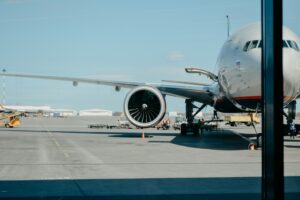
Photo by Ivan Shimko on Unsplash
Why can bomb threats cause so much disruption?
An actual explosive device isn’t necessary to bring aviation to a standstill. A threat alone can trigger aircraft diversions, airport evacuations, security searches and significant disruption to flight schedules. There may be several motivations behind these incidents, ranging from individual hoaxes and copycat behaviour to potentially coordinated attempts to cause disruption.
One concern raised in relation to wider European security incidents is the possibility of hybrid warfare, where disruption and intimidation are used to undermine public confidence and put pressure on governments and essential services. However, it is important not to speculate about who is responsible for individual incidents until investigations have established the facts.
What is clear is that the consequences for passengers can be considerable. A single threat can affect hundreds of travellers, disrupt connecting flights and leave people stranded far from home.
What happens when a flight diverts?
A flight can divert for several reasons, including a security threat, medical emergency, technical issue, severe weather or airport closure. The captain is responsible for the safe operation of the aircraft and makes decisions about diversions, taking account of the circumstances and relevant operational and safety advice.
If a security threat is involved, the aircraft may be directed to an isolated area of the airport, where emergency services and security personnel can assess the situation. Passengers may be asked to remain on board while checks take place or they may be instructed to disembark or evacuate.
A diversion doesn’t automatically mean the flight has been cancelled. Once necessary checks have been completed and the aircraft has been cleared to operate, it may continue to its original destination. Alternatively, the flight could be delayed, cancelled or passengers transferred onto another aircraft.
Will passengers always be evacuated following a bomb threat?
Evacuation isn’t automatic. It depends on the nature of the threat, the information available and the instructions given by the relevant authorities. Passengers may be kept on board while the aircraft is moved to a designated area, asked to disembark in a controlled manner or evacuated if there is an immediate safety concern. If an emergency evacuation is ordered, passengers must follow crew instructions and leave all belongings behind.
What happens to luggage during an evacuation?
Passengers are often surprised to learn that they may have to leave everything behind, including handbags, phones and cabin baggage. In an emergency evacuation, retrieving belongings can delay people leaving the aircraft, obstruct exits and create additional hazards. Luggage may also need to be checked separately following a security incident, so passengers might not be reunited with their belongings immediately.
How do cabin crew manage anxious passengers?
For passengers, a diversion or security alert can be upsetting, particularly when they don’t know what’s happening or how long they will be delayed. Cabin crew are trained to manage emergencies but a huge part of their role is also looking after people and managing their reactions. Some passengers may become distressed, others frustrated, while some may not fully understand the situation.
Communication is particularly important. They need to remain calm, follow instructions and reassure passengers without speculating or making promises they cannot keep. There may also be occasions when crew themselves have very limited information because the security authorities are managing the incident. Passengers don’t necessarily need every answer immediately but they do need to know someone is taking responsibility and that they will be updated as soon as any information becomes available.
I know from personal experience that cabin crew are trained to manage challenging and sometimes frightening situations, always putting passenger safety and reassurance first. Even when faced with the same uncertainty as passengers, they remain focused on their responsibilities, maintaining professionalism and supporting everyone on board.
What are your rights if your flight is diverted?
If your flight is covered by UK261 which sets out passenger rights in certain circumstances involving flight delays, cancellations and denied boarding, you have important consumer protections when things go wrong. It generally covers flights departing from UK airports, regardless of airline, and certain flights arriving in the UK.
If your flight diverts but subsequently continues to your booked destination, the delay is generally assessed by reference to your arrival at the final destination. If you arrive more than three hours late, you may ordinarily qualify for compensation, depending on the circumstances. However, a genuine security threat is likely to be considered an extraordinary circumstance outside the airline’s control. This means compensation is unlikely to be applicable. The airline must nevertheless establish that the extraordinary circumstances exemption applies and that it took all reasonable measures to avoid or minimise the disruption.
What if your flight is cancelled?
If your flight is cancelled and UK261 is applicable you should be offered a choice between a refund or a re route to their destination at the earliest possible opportunity on another carrier if necessary. These rights apply even when the cancellation is caused by extraordinary circumstances. Lack of compensation does not mean lack of consumer protection.
Airlines still have a duty of care to provide food and refreshments, access to communication facilities and hotel accommodation and transport between airport and accommodation if necessary. If the airline fails to provide appropriate assistance, passengers may be able to arrange reasonable alternatives themselves and claim the costs back.
What ‘reasonable’ expenses can I claim back?
It is very frustrating that ‘reasonable’ costs tend not to be specifically defined by airlines. Generally, these costs mean a mid-range hotel rather than luxury accommodation, typically close to the airport and at a standard local room rate, with one room per booking rather than upgrades. If disruption is widespread and prices surge, higher rates can still be reasonable but keep clear evidence.
For meals, sensible spending appropriate to the time of day is covered and airlines recognise that airport prices are higher. Fine dining and alcohol are not accepted as reasonable costs. Transport between the airport and hotel should be reimbursed, with public transport preferred where practical, though taxis are reasonable late at night or where no alternative exists. Necessary communication costs, such as phone calls or internet access to rearrange travel, should also be covered.
Airlines commonly reject claims for luxury hotels where more reasonably priced options were available, excessive meal spending beyond what’s proportionate for the delay and extras such as mini-bar charges, spa treatments or room upgrades. They will also refuse to reimburse costs that aren’t directly linked to the disruption itself, so it’s important that any expenses you claim are necessary, sensible and clearly connected to being delayed or stranded.
What if the aircraft lands at a completely different airport?
If an airline offers to reroute passengers to an alternative airport serving the same town, city or region, Article 8(3) of UK261 requires it to bear the cost of transferring passengers to the originally booked airport or another nearby destination agreed with them. If a diversion takes passengers hundreds of miles away, the precise arrangements will depend on what happens to the original flight. If it is cancelled, the airline’s rerouting obligations become particularly important. Passengers should ask the airline to arrange appropriate onward transport rather than automatically paying for their own journey.
What happens if the crew run out of permitted flying hours?
Flight and cabin crew are subject to strict working-time and rest requirements, known as Flight Time Limitations. If an aircraft diverts and spends several hours undergoing security checks, the crew may reach their permitted duty limits before they can continue the journey. The airline may then need to arrange replacement crew, find accommodation for the existing crew or organise alternative transport. Even if the aircraft has been cleared to fly, it doesn’t necessarily mean it can take off immediately.

Image by sulox32 from Pixabay
Do package holidays mean additional protection?
Booking a package holiday generally provides an additional layer of legal protection. Under the Package Travel and Linked Travel Arrangements Regulations 2018, the tour operator is responsible for the proper performance of the package, even when it uses another airline to provide the flight.
If your outbound flight is cancelled, contact your tour operator as well as the airline. If the package is cancelled, you will generally be entitled to a full refund within 14 days. Where appropriate, the organiser may offer suitable alternative arrangements instead.
If a tour operator is unable to arrange your return home as planned because of unavoidable and extraordinary circumstances, it must pay for necessary accommodation, preferably of an equivalent standard, for up to three nights per traveller.
However, there are exceptions to this three-night limit. These include people with reduced mobility and anyone accompanying them, pregnant women, unaccompanied minors and people requiring specific medical assistance, provided the tour operator was notified of their particular needs at least 48 hours before the start of the package holiday. A longer period may also apply where other passenger rights legislation provides for it. The tour operator must also provide appropriate assistance to travellers in difficulty without undue delay. This includes providing information and helping them find alternative travel arrangements.
Can you cancel your package holiday because of a security threat?
If unavoidable and extraordinary circumstances at the destination or its immediate vicinity significantly affect the performance of the package or the transport of passengers to the destination, you may be entitled to terminate the package without paying a cancellation fee and receive a full refund. The circumstances and their impact on the holiday are important, so a security alert elsewhere doesn’t automatically give everyone the right to cancel.
Will travel insurance cover disruption caused by a bomb threat?
This is something you should check before travelling. Some travel insurance policies include travel disruption as standard while others offer it as an optional extra. Depending on the policy, cover may include additional accommodation and transport costs, missed connections. travel delays, cancellation or curtailment, airport closures and certain security incidents.
However, don’t assume that a policy covering travel disruption automatically covers bomb threats or terrorism. Some insurers exclude losses arising from terrorism, war, civil unrest or security incidents. Others may offer specific additional cover. Check the policy wording carefully, particularly the exclusions and any conditions relating to events that were already publicly known when you booked your holiday or purchased your insurance.
Remember that insurance generally isn’t a substitute for the airline or tour operator fulfilling its legal responsibilities. Contact them first to establish what they will provide and keep evidence of any costs you cannot recover.
How to prepare for potential travel disruption
You can’t prevent unexpected disruption but you can try to mitigate it and avoid being completely unprepared for it.
If you’re due to travel in the coming days or weeks and are concerned about potential disruption, speak to your airline or holiday provider about your options. Depending on the terms and flexibility of your booking, you may be able to change your travel dates or make alternative arrangements. Don’t assume you have to cancel or lose your money, but check any change fees or additional costs before making a decision.
Buy travel insurance as soon as you book and check that it includes the protection you need, paying particular attention to exclusions relating to terrorism, security incidents and travel disruption.
Download your airline’s app and enable notifications so you receive updates about delays, cancellations and changes to your flight. Keep copies of your booking confirmations, boarding passes, travel insurance policy and emergency contact details somewhere accessible offline, in case you lose internet access.
Think carefully about what you pack in your hand luggage. If your flight is diverted or you are evacuated, you may not have access to your checked luggage, so keep essential medication, travel documents, a phone charger, a power bank (within airline restrictions), glasses and anything else you couldn’t manage without in your cabin baggage.
Make sure your phone is fully charged before travelling and save important telephone numbers for your airline, tour operator and insurer, rather than relying on being able to find them online. If you’re travelling on a package holiday, keep your tour operator’s emergency contact details handy. If you’ve booked a DIY holiday, make sure you know how to contact your airline and accommodation provider.
If your flight is cancelled or diverted, speak to the airline or tour operator before making expensive alternative arrangements yourself. You don’t want to risk paying for something they would otherwise have been responsible for providing.
Finally, keep a record of what happens. Take screenshots of flight updates, cancellation notices and messages from your airline, and retain receipts for any reasonable additional expenses. This will be useful if you subsequently need to make a complaint or insurance claim.
What should you do if your flight is disrupted?
If the worst happens, stay calm and follow instructions from cabin crew, airport staff and the authorities. Don’t assume you have no rights simply because a security threat is involved. Ask the airline what arrangements are being made, establish whether your flight is delayed or cancelled, and find out how you will reach your final destination.
If you’re travelling on a package holiday, contact your tour operator too. Keep records of what you’ve been told, retain receipts and contact your travel insurer if you need to make a claim. Above all, don’t put yourself or others at risk by ignoring safety instructions or attempting to retrieve luggage during an evacuation.
In a nutshell
Aviation security must always come first and airlines will take every threat seriously, even if it ultimately turns out to be a hoax. However passengers shouldn’t be left to fend for themselves when their travel plans are disrupted.
Airlines have responsibilities to provide refunds or alternative travel where applicable as well as care and assistance when passengers are stranded. Package holidaymakers have additional protections and travel insurance may provide further support where the policy covers the circumstances.
Plan well before you travel, understand what your insurance covers and know your consumer rights. You can’t always control what happens to your flight but you can make sure you’re well prepared for if things go wrong.


