
Solid oak internal doors are one of the most enduring and rewarding upgrades a homeowner can make, offering a combination of natural beauty, acoustic performance, and longevity that hollow-core and composite alternatives simply cannot match. Aesthetics often drives the decision to replace existing internal doors. Still, there are several practical signs that the existing doors in a property have reached the end of their useful life. Upgrading to solid oak internal doors at this point not only resolves immediate problems but delivers an improvement that remains visible and appreciated for the entire time the property is lived in.
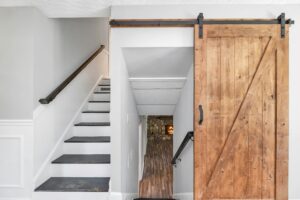
Photo by Zac Gudakov on Unsplash
Warping and Sticking Doors
Internal doors that have begun to warp, twist, or stick in their frames are usually a sign of moisture damage or movement in the surrounding structure. Hollow-core and low-density doors are particularly vulnerable to warping, as the thin outer skin can absorb moisture and expand unevenly. Solid oak doors are significantly more resistant to this kind of movement due to their density and the inherent stability of well-seasoned timber. Once a door has warped to the point where it no longer closes properly or requires force to open, replacement is more practical than repair.
Hollow Sound and Poor Acoustic Performance
One of the most noticeable limitations of hollow-core internal doors is their lack of sound insulation. If conversations, music, or noise from other rooms is clearly audible through a closed door, the hollow-core construction is likely a significant contributing factor. Solid oak doors provide meaningfully better sound attenuation due to their density and mass, which helps contain noise within individual rooms and improves the overall acoustic quality of the home. The difference is particularly noticeable in homes where bedrooms or home offices adjoin busy living spaces.
Outdated Style and Poor Condition
Internal doors that are visually outdated, covered in multiple layers of paint, or damaged beyond cosmetic repair are strong candidates for replacement. Older hollow-core doors often have a textured embossed surface beneath layers of paint that cannot be effectively stripped or refinished to a high standard. Solid oak doors, whether primed for painting or finished in a natural or stained wood look, provide a visual quality that immediately lifts the appearance of a hallway, landing, or room. The investment in better doors is immediately visible to visitors and enhances the property’s overall impression.
Draught and Energy Efficiency
Poorly fitting internal doors allow draughts to move freely between rooms, making it harder to heat individual spaces efficiently and creating uncomfortable cold spots in certain areas of the house. A well-fitted solid oak door sits more precisely in its frame than a warped or damaged hollow alternative and, combined with appropriate draught-proofing to the frame, contributes to improved heat retention in the rooms it serves. While internal doors are not the primary driver of energy efficiency in a home, eliminating unnecessary draughts through doorways reduces heat loss and improves comfort, particularly in older properties.
Fire Safety Considerations
In certain locations within the home, a fire door is a legal requirement. This applies particularly to doors opening from an integral garage into the habitable part of the house and in some converted loft spaces. Standard hollow-core doors do not provide any meaningful fire resistance. If a property has had work carried out without appropriate fire doors being fitted, this should be addressed as part of any door replacement programme. Solid oak fire doors that meet the FD30 standard are available and provide the required 30 minutes of resistance alongside the aesthetic benefits of solid timber.
How to Choose the Right Oak Door Style
Solid oak internal doors are available in a wide range of styles, from traditional panelled designs with raised or recessed mouldings through to clean-lined contemporary options with minimal detailing. The right choice depends on the property’s architectural character and the existing interior scheme. Period and traditional properties typically suit raised-panel or glazed-panel designs, while modern or open-plan homes often suit flat-panel or minimalist styles. Door height is also worth considering, as taller doors of 2100mm or above create a sense of proportion that standard 1981mm doors do not provide in rooms with high ceilings.
Please note this is a contributed post.


