
Nestled in the embrace of the majestic Himalayas and the serene Karakoram range, Pakistan is a hidden gem for eco-tourism enthusiasts. With its pristine landscapes, diverse ecosystems, and rich cultural heritage, the country offers a plethora of opportunities for travellers seeking to explore nature responsibly while supporting local communities. In this article, we’ll delve into some of Pakistan’s eco-friendly travel destinations, from the tranquil valleys of Hunza and Skardu to the wildlife sanctuaries in the south, and discuss how tourists can contribute to conservation efforts while experiencing the untouched beauty of the region.
Serene Valleys of Hunza and Skardu
Located in the Gilgit-Baltistan region, the valleys of Hunza and Skardu are renowned for their breathtaking scenery, crystal-clear lakes, and towering peaks. These remote landscapes offer a haven for eco-tourists seeking tranquillity and adventure amidst unspoiled nature.
Travellers to Hunza can explore picturesque villages, hike through verdant valleys, and marvel at the ancient forts that dot the landscape. Visit Attabad Lake, formed by a natural landslide, and witness the mesmerising turquoise waters against the backdrop of snow-capped mountains.
In Skardu, embark on treks to iconic landmarks such as the Baltoro Glacier and Concordia, the “throne room of the mountain gods.” Experience the hospitality of the local Balti people and immerse yourself in their vibrant culture while staying in eco-friendly lodges and guesthouses that promote sustainable tourism practices.
Wildlife Sanctuaries in the South
While Pakistan is renowned for its mountainous terrain, the southern region is home to diverse ecosystems and wildlife sanctuaries that are equally deserving of attention. Explore the mangrove forests of the Indus Delta and the coastal wetlands of the Hingol National Park, where endangered species such as the Indus river dolphin and the Baluchistan bear find refuge.
Contribute to conservation efforts by participating in guided wildlife tours, birdwatching expeditions, and community-led conservation projects. Support local initiatives that promote habitat restoration, wildlife protection, and sustainable livelihoods for communities living in and around protected areas.
Supporting Local Economies
One of the most significant ways travellers can contribute to eco-tourism in Pakistan is by supporting local economies and businesses. Choose eco-friendly accommodations that prioritise environmental sustainability and employ practices such as energy conservation, waste reduction, and water management.
Dine at restaurants that serve locally sourced, organic cuisine and support small-scale farmers and producers. Purchase handmade crafts, textiles, and souvenirs directly from artisans and cooperatives, ensuring that your purchases have a positive impact on local livelihoods.
Getting There
Travelling to Pakistan to experience its eco-tourism destinations is now more accessible than ever, thanks to a range of international airlines offering flights to major cities such as Islamabad, Lahore, and Karachi. Airlines like Emirates, Qatar Airways, and Turkish Airlines provide convenient connections from various global hubs, with options to book tickets to Pakistan online or through travel agencies.
In conclusion, eco-tourism in Pakistan offers a unique opportunity to connect with nature, support local communities, and contribute to conservation efforts in one of the world’s most diverse and beautiful countries. Whether you’re exploring the serene valleys of Hunza and Skardu or discovering the wildlife sanctuaries in the south, embrace the principles of sustainable travel and leave a positive impact on the environment and local communities. So, pack your bags, book your tickets to Pakistan, and embark on a journey of discovery through nature’s untouched beauty.
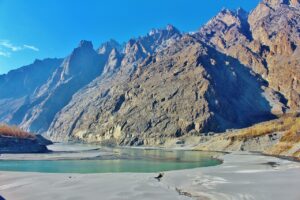
Image by Abdullah Shakoor from Pixabay
Please note that this is a contributed post.


