
As the UK accelerates its commitment to reducing carbon emissions, there is a noticeable shift towards eco-friendly vehicles, with electric and hybrid cars leading the charge. This transition is not just about embracing new technology but also about making choices that align with personal driving needs, environmental impact, and the long-term benefits of lower running costs. Whether it’s the zero emissions from an electric vehicle (EV) or the reduced fuel consumption of a hybrid, understanding these options is crucial. This guide aims to explore the distinctions between electric and hybrid cars, helping potential buyers make informed decisions that support both their lifestyle and the planet.
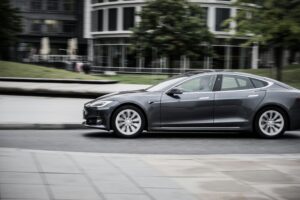
Photo by Moritz Kindler on Unsplash
Understanding Electric Cars
At Carplus, we delve into the workings of electric vehicles (EVs) and explore car finance options like HP and PCP, as they are increasingly seen as the future of transportation. EVs operate on electric motors powered by on-board batteries, which can be recharged from the electrical grid. This setup allows for zero tailpipe emissions, significantly contributing to environmental sustainability by reducing air pollution. One of the most appreciated benefits of electric cars is their lower running costs. Without the need for petrol or diesel, operating costs are mainly the electricity used for charging, which is generally cheaper than fossil fuels.
The operation of EVs is notably quieter than their combustion-engine counterparts, offering a smoother and quieter driving experience. However, the effectiveness and convenience of using an EV in the UK largely depends on the available infrastructure and the Car Finance options available at carplus. The current landscape includes an expanding network of charging stations across the country. Additionally, the UK government offers various incentives to encourage the adoption of electric cars, such as grants for purchasing new electric vehicles and funding for installing home charging points. These incentives, coupled with the ongoing development of faster and more efficient charging technologies, are crucial in supporting the shift towards electric vehicle usage.
Exploring Hybrid Cars
Hybrid cars blend traditional internal combustion engines with electric motor technology to offer a more environmentally friendly alternative to conventional vehicles. There are three main types of hybrid vehicles: full hybrids, mild hybrids, and plug-in hybrids, each offering different levels of electric assistance and operational capabilities.
Full hybrids can operate using just the electric motor, the petrol engine, or a combination of both, allowing them to achieve better fuel efficiency and lower emissions than non-hybrid cars. They do not need to be plugged in as the battery recharges through regenerative braking and by the engine.
Mild hybrids use a smaller electric motor that can’t power the car by itself but assists the engine during acceleration, reducing the engine load and improving fuel economy. This type also benefits from regenerative braking but to a lesser extent than full hybrids.
Plug-in hybrids (PHEVs) feature larger batteries that can be charged via an external power source, allowing them to drive significant distances on electric power alone, further reducing fuel consumption and emissions. Once the battery is depleted, the car can continue to operate as a conventional hybrid, providing flexibility in fuel and charging options.
These hybrid vehicles offer a practical compromise by lowering emissions without requiring the infrastructure dependency of fully electric cars, making them an appealing choice for drivers looking to reduce their carbon footprint while retaining the flexibility of traditional fuel.
Comparative Analysis: Electric vs Hybrid Cars
When considering the ownership of electric versus hybrid cars, several factors such as financial implications, environmental impact, and practicality play crucial roles.
Financial Aspects: Electric vehicles (EVs) typically have a higher initial purchase price compared to hybrid cars. However, the total cost of ownership can be lower for EVs due to significant savings on fuel, lower maintenance costs, and tax benefits provided by government incentives aimed at promoting cleaner transportation. Hybrids, while generally cheaper upfront than EVs, do not offer the same level of savings on running costs but still remain more cost-effective than conventional cars.
Environmental Impact: Both electric and hybrid vehicles offer considerable environmental benefits over traditional petrol or diesel cars by reducing emissions. EVs lead in this regard, producing zero tailpipe emissions, which is crucial for improving air quality in urban areas. Hybrids, though not entirely emission-free, significantly reduce emissions compared to standard cars and serve as a practical step towards full electrification, especially in areas where EV infrastructure is still developing.
Practical Aspects: In terms of practicality, EVs are best suited for drivers with regular access to charging facilities and who typically cover shorter, predictable distances. The increasing range of modern EVs, often exceeding 300 miles on a single charge, is making them more viable for a broader range of uses. Hybrids, on the other hand, offer greater flexibility. They are ideal for those who travel variable distances that might not always be predictable or where charging infrastructure is sparse. Plug-in hybrids offer the added advantage of short all-electric driving ranges sufficient for typical daily commutes, with the backup of a petrol engine for longer journeys.
In conclusion, the choice between an electric and hybrid car will largely depend on individual driving habits, geographical considerations regarding charging infrastructure, and personal priorities in terms of cost, environmental impact, and convenience.
Choosing the Right Option for Your Needs
Selecting between an electric and a hybrid car requires a thoughtful assessment of your daily driving habits, budget, and available infrastructure. If your daily commute is predictable and within the range of an electric vehicle, and you have reliable access to charging stations at home or work, an electric car might be the ideal choice. This option not only supports zero-emission driving but also reduces long-term running costs. Conversely, if you often travel longer distances and have concerns about charging availability on the route, a hybrid car provides the flexibility of fuel alongside the benefits of reduced emissions for regular city driving. Budget is also crucial; consider the upfront cost against potential savings on fuel and maintenance to determine which option aligns with your financial situation.
Conclusion
The decision to opt for an electric or hybrid car involves a balance of environmental considerations, lifestyle needs, and financial capabilities. Electric vehicles offer unparalleled benefits in terms of emissions and running costs but require good charging infrastructure. Hybrids, while not fully emission-free, provide a versatile compromise, especially in areas where EV support is still developing. By evaluating your personal driving patterns, charging facilities, and budget, you can choose a vehicle that not only meets your needs but also contributes positively to environmental sustainability.

Photo by Austin Ramsey on Unsplash
Please note this is a contributed post.


