
Shed Clearance Tips and Tricks
Cleaning out your shed might not be the most exciting weekend project, but it significantly improves the organisation and safety of your backyard. Plus, it offers an opportunity to rediscover useful gardening tools or other items you might have forgotten about, or to find new homes for things you no longer need. From rusty rakes to mysterious jars of unidentified substances, here’s how to clear out your shed effectively without any hassle.

Image by Pete Linforth from Pixabay
1. Organise Efficiently
Begin by categorising the items in your shed into groups: tools, garden supplies, old paint cans, and recyclable materials. If you come across potentially hazardous items like old paints or chemicals, set them aside for special handling.
2. Decide on Disposal Methods
- Regular Trash and Recycling: Common items can go in your household trash or recycling bin, but check local recycling guidelines first.
- Large Items: These might need to be taken to the local tip or arranged for special pickup if your council offers that service.
- Donations: Tools or garden equipment in good condition can be donated to charities or community groups.
- Recycling: Metals, plastics, and electronics can often be recycled, so take them to a recycling centre if possible.
If the thought of clearing out your shed is daunting, consider hiring professional waste removal services, such as London based rubbish removal company Top Wasters. These experts handle everything, ensuring proper disposal and adherence to environmental regulations for shed clearance in the UK. This is a great option to consider if you’re overwhelmed. You can find out more about their shed clearance services here: https://www.topwasters.co.uk/shed-clearance-london/
3. Handling Hazardous Items
- Chemicals: Keep these in their original containers and do not mix them. Follow local guidelines for hazardous waste disposal.
- E-waste: Batteries and old electronics should be taken to facilities that specialise in electronic waste.
- Sharp Objects: Wrap sharp tools and glass securely to prevent injuries during handling.
4. Safety Precautions
- Personal Protective Equipment: Wear gloves and possibly a mask if dealing with dust or chemicals.
- Proper Lifting Techniques: Lift heavy items with your knees, not your back, to avoid injury.
- Heavy Lifting: Get assistance from a friend or use a dolly to move heavy items safely.
5. Organise Your Shed
Once the clutter is cleared, organise your shed to make it more functional. Use shelves and hooks to keep tools and other items off the floor and easily accessible.
Benefits of a Clean Shed
- Space: You gain more room for items you actually use.
- Safety: A tidy shed reduces the risk of trips and falls.
- Pest Control: Pests are less likely to infest a clean, organised space.
- Mental Well-being: A clutter-free environment can improve your mood and reduce stress.
Watch Out for These Hazards
- Leaky Paint Cans: These can be hazardous and usually require special disposal.
- Rusty Tools: Handle with care to avoid injury and consider replacing them.
- Broken Glass or Pottery: Wrap these items carefully to prevent cuts and injuries.
Cleaning out your shed not only enhances the appearance of your backyard but also makes the space safer and more functional. Responsible disposal of items means you’re also contributing to environmental conservation. So, put on your gloves, play your favourite music, and give your shed the makeover it deserves.
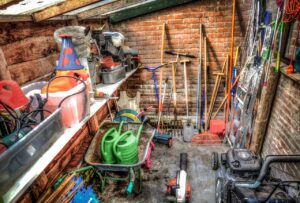
Image by Rudy and Peter Skitterians from Pixabay
Please note this is a contributed post.


