
Preserving the character and integrity of a listed building is a priority for many homeowners and conservationists. These heritage properties often come with unique architectural features, including original windows made of timber or other traditional materials. However, these windows can be problematic in terms of insulation and heat loss. This is where secondary glazing for listed buildings plays a crucial role.
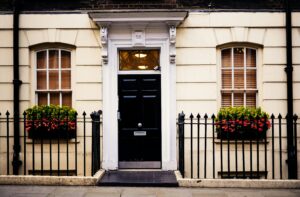
Photo by Jamie Street on Unsplash
Understanding Listed Building Requirements
A listed building receives legal protection because of its architectural or historical importance. This protection includes restrictions on altering its fabric, including original windows. Any modification requires listed building consent, making the installation of secondary glazing a popular choice as it offers an unobtrusive solution that preserves the building’s character.
The preservation of heritage windows is essential, not only for maintaining the building’s aesthetic appeal but also for ensuring compliance with conservation area regulations. Historic England often emphasises the importance of maintaining original architectural features, which makes secondary glazing a viable and compliant option.
Why Opt for Secondary Glazing in Listed Properties?
Secondary glazing entails installing a subtle secondary window inside the existing window frame. This secondary glazing system is particularly suitable for heritage and listed buildings because it offers numerous benefits without altering the original windows:
- Thermal and Acoustic Insulation: Secondary glazing provides an additional layer of insulation, significantly reducing heat loss and improving thermal efficiency. It also enhances acoustic insulation, reducing noise pollution from the outside. This is especially advantageous in urban settings where noise levels are elevated.
- Preservation of Original Features: Unlike replacement windows, secondary glazing preserves the appearance of the primary window. This is vital for maintaining the historical authenticity of period properties.
- Condensation Control: By reducing the interior temperature differential, secondary glazed windows help prevent condensation, which can damage timber frames. To further protect your wooden double glazed sash windows, secondary glazing acts as a barrier against environmental wear and tear.
Exploring the Best Secondary Glazing Units
When considering listed building secondary glazing, it’s essential to choose a solution that fits the specific requirements of the property:
Slimline Secondary Glazing
Slimline secondary glazing is ideal for grade 2 listed buildings where minimal visual impact is crucial. These systems use slimline aluminium frames, which are both lightweight and strong, ensuring the existing window remains unobstructed. The discreet design of slimline systems is especially attractive to those looking to preserve the aesthetic of their windows while improving functionality.
Vertical and Horizontal Sliding Units
For sash windows and casement windows, vertical sliding secondary glazing and horizontal sliding units can be a perfect fit. These secondary glazing products allow easy access to the primary window for cleaning and maintenance, ensuring that the historical features are preserved without sacrificing convenience.
Bespoke Aluminium Secondary Glazing
For unique window shapes or designs, bespoke aluminium secondary glazing offers a tailored solution. These custom glazing units are crafted to fit perfectly, ensuring the building’s historic features are preserved. Bespoke solutions can also address specific challenges that arise in heritage buildings, such as irregular window shapes or sizes.
Installation and Maintenance
Secondary glazing should be installed by specialists to guarantee an accurate fit that honors the building’s heritage. Cleaning and maintenance are straightforward, with designs that allow for easy removal when necessary. This ease of maintenance is crucial for the long-term preservation of the original window structures and the secondary glazing itself.
Thermal and Acoustic Benefits
Secondary glazing has made significant advancements, offering enhanced thermal and acoustic benefits. These solutions are designed to reduce heat loss and noise levels effectively, making them an ideal solution for period properties while reducing heat and noise. The thermal efficiency offered by secondary glazing can result in substantial energy savings, an increasingly vital factor for eco-conscious homeowners.
Fitting and Compliance
Ensuring that the secondary glazing system complies with building regulations is critical. Homeowners should consult with professionals who understand the intricacies of listed building consent and can provide guidance on the best secondary glazing for your home. Many homeowners are adopting secondary glazing as it offers a balance between modern comfort and historical preservation.
Conclusion
Secondary glazing for listed buildings is more than a practical solution; it is a commitment to preserving our architectural heritage. By selecting the right secondary glazing options, homeowners are adopting secondary glazing to protect their properties’ historical value while enhancing comfort and efficiency.
The installation of secondary double glazing in listed buildings is a sensitive yet effective method to address modern comfort needs without compromising the fabric of the building. For those considering this approach, contacted arctic glazing specialists can offer bespoke solutions that respect and preserve the beauty and history of heritage buildings.

Photo by Jay Alexander on Unsplash
Please note this is a contributed post.


