
Many nutritional trends and options have emerged due to people’s desire to live a healthy lifestyle, with cold-pressed juices becoming increasingly well-liked as a purportedly better option than ordinary juices. Because of their special extraction method, cold-press juices are frequently promoted as healthier than other options, but are they more nutritious?
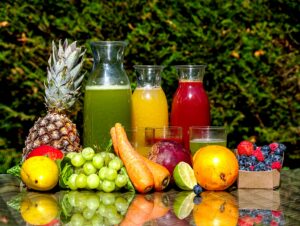
Photo by Zlatko Đurić on Unsplash
This article delves into the nutritional aspects of cold press juices compared to regular juices to help you make informed choices for your well-being.
1. Extraction Process
The main differences are the extraction processes used by ordinary and cold-pressed juices. A hydraulic press extracts juice from fruits and vegetables cold-pressed without producing heat.
In contrast to conventional methods, which may cause nutrient deterioration due to heat generated during the juicing process, this method retains more nutrients and enzymes. On the other hand, regular juices are usually prepared in centrifugal or masticating juicers, which can produce heat and possibly lower the nutritional value.
2. Nutrient Retention
Cold-pressed juice proponents contend that a higher concentration of vitamins, minerals, and enzymes is preserved because no heat is applied during extraction. The juice produced using the cold press technique is supposed to have a more vivid color, which is a sign that antioxidants have been maintained.
Although heat can cause certain nutrients to be lost, this loss usually has little effect when using conventional juicing techniques. The secret is in the timing of consumption and the freshness of the components; normal and cold-pressed juices lose their nutrients over time.
3. Fibre Content
The fibre content is one obvious distinction between ordinary juices and cold-pressed juices. Since the pulp is usually removed during extraction, cold-pressed juices usually have reduced fibre content.
A balanced diet must include fibre since it helps with digestion, encourages feelings of fullness, and controls blood sugar levels. Because pulp is added, regular juices—especially those produced with entire fruits and vegetables—may include more fibre. However, cold-pressed juices might appeal more to individuals seeking a smoother, pulp-free experience.
4. Sugar Content
Juices’ sugar content should be carefully considered, especially for people watching how much sugar they consume. While natural fruit sugars can be found in ordinary and cold-pressed juices, some cold-pressed juices may absorb sugar more quickly due to lacking fiber.
It’s critical to pay attention to the fruit-to-vegetable ratio in the juices since the veggies can contribute extra nutrients and balance the sugar load.
5. Overall Diet and Lifestyle
Ultimately, a juice’s healthfulness is determined by how it fits into your whole diet and way of life. Cold-pressed juices are a simple choice for anyone trying to increase their vitamin and mineral consumption because they may provide a more concentrated supply of nutrients.
It’s important to understand, though, that regular or cold-pressed juices shouldn’t replace full fruits and vegetables in your diet. A healthy lifestyle is based on a well-rounded approach incorporating various nutrient-dense foods.
Navigating the Juicing Dilemma – Finding Balance for a Healthy Lifestyle
The debate between conventional and cold-pressed juices is complex, and the decision that best suits your health objectives will rely on several variables. Although cold-pressed juices could have a minor advantage in retaining nutrients, both can be used in a healthy diet when chosen carefully.
The secret is to enjoy juices as a complement, not as a replacement, and to prioritise all fruits and vegetables in your daily diet. Ultimately, moderation and balance are crucial for a healthy and sustainable lifestyle, regardless of whether you choose the nutrient-rich appeal of cold-pressed juices or the refreshing simplicity of normal juices.

Photo by Alexander Mils on Unsplash
Please note that this is a contributed post.


